
Why Grand Slam Surfaces Matter: The Influence of Clay, Grass, and Hard Courts on Tennis Players
Understanding the characteristics of Grand Slam court surfaces—clay, grass, and hard courts—helps players and coaches better appreciate tennis, adapt playing styles, and tailor training methods. Each surface affects ball speed, bounce height, and tactics, which is especially important for beginners and their parents when deciding how and where to train.
Introduction
Knowledge about different surfaces is more than curiosity; it is a practical part of understanding tennis. For parents, adult beginners, and enthusiasts, knowing how the surface affects play helps select the right training format and maintain motivation when conditions change. For example, playing on grass and clay requires different physical and technical skills, and hard courts themselves vary—some are fast, others slower.
At TS WINNER in Budva, we train on clay courts and also explain how clay differs from hard and grass at the majors—so students understand the game and can explore their style without pressure or exams.
Characteristics of Grand Slam Surfaces
Grass
Grass is the fastest Grand Slam surface. The ball travels quickly and bounces low, sometimes unpredictably. This favors players with quick reactions and strong serves, as well as those who prefer short rallies and fast approaches to the net.
Training on grass requires quick reflexes, the ability to read the ball, and confidence in fast footwork. The ball bounce is significantly lower than on other courts, and the surface can be slippery, demanding stable yet soft footwork.
Clay
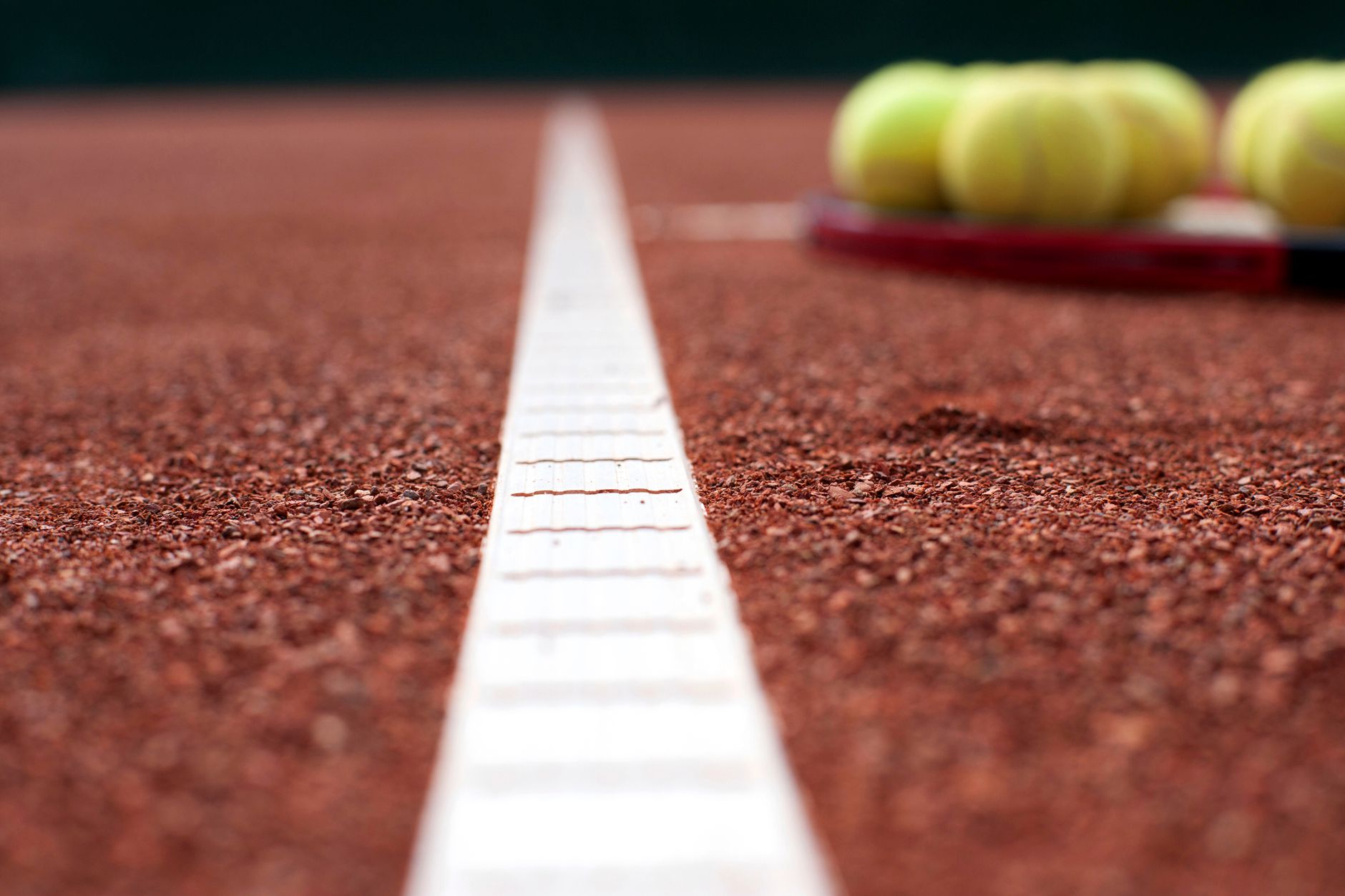
Clay is the slowest Grand Slam surface. The ball bounces high and slowly, which lengthens rallies. This demands endurance and patience from the player, as well as skill in handling various spins.
On clay, technique and tactics are crucial since long rallies allow time to adjust and find opponents’ weaknesses. Physical load is higher, especially for beginners, so training should gradually build endurance.
Hard Court (Slow and Fast)
Hard courts are versatile surfaces used at the US Open and Australian Open. They vary from slower, softer courts to faster, harder ones. The ball bounces consistently and at a steady speed, allowing both aggressive and combination playing styles.
Preparing for hard court play includes developing power and shot precision, as well as adapting to medium ball speed. Beginners need to learn to feel the bounce and work on balance—the firmness of the surface requires quality footwear and attention to movement technique.
Impact of Surface on Playing Style and Training
Ball Speed and Bounce Height
The surface directly affects ball behavior: fast and low bounces on grass, high and slow on clay, and medium with variations on hard courts. This sets the rhythm of play and demands corresponding skills from the player.
Tactical Features on Different Surfaces
Grass favors aggressive play with short rallies and net approaches. Clay encourages patient attack construction and spin use. Hard courts allow a mix of both and require tactical flexibility.
Physical and Mental Preparation
Clay demands greater endurance and patience, grass requires speed and reaction, and hard courts balance strength and technique. Mentally, switching between styles without excessive stress is important.
Training Beginners on Different Surfaces
For beginners, it is important to start gently and observe how the player reacts to speed and bounce. Versatility is key: training on multiple surfaces develops adaptability and prevents getting stuck in one style.
At TS WINNER, training takes place on clay courts at Slovenska plaza and hotel Aleksandar. Close contact with coaches helps adjust your game to clay and make realistic progress.
What This Means for Beginners and Parents
How to Choose Surfaces for Training
Do not limit training to one surface. For children or adults just starting, it is important to select a format and surface that suit their temperament and physical abilities.
Importance of Versatility and Adaptability
Modern tennis rewards flexible thinking: knowing surfaces helps you watch matches, while regular clay training builds ball feel, endurance, and bounce control.
Recommendations for Developing Playing Style
- Start gently without rushing transitions between surfaces;
- Use mistakes as learning opportunities;
- Focus on footwork technique and reading the game.
Practical Tips
- Learn how tour surfaces differ, and build your skills on clay;
- Learn to read ball bounce and adjust to court speed;
- Use appropriate footwear and equipment for each surface;
- Plan training considering physical load: clay requires endurance, grass demands quick reactions;
- Avoid abrupt style changes—adaptation happens gradually with experience and practice.
Common Mistakes by Beginners and Parents
- Underestimating the impact of surface on ball speed and bounce;
- Over-specializing on one surface without universal preparation;
- Ignoring tactical and physical demands of different surfaces;
- Choosing inappropriate footwear and gear for the court type;
- Expecting instant results when changing surface and playing style.
Key Takeaways
- Each surface defines ball speed and bounce characteristics, influencing playing style;
- Versatility and adaptability are essential qualities for tennis players;
- Beginners benefit from calm, gradual transitions between surfaces;
- Proper equipment and attention to physical load help maintain health;
- Close coach interaction and personalized training formats ensure comfort and progress.
Conclusion
Grand Slam surfaces are more than just different courts—they are distinct tennis worlds, each with unique speed, tactics, and demands. For beginners and their parents, understanding these differences helps not only appreciate the game better but also choose the right development path.
At TS WINNER (Budva, Slovenska plaza, hotel Aleksandar), we invite you to train on clay courts in a supportive environment and find realistic next steps. For consultations, @TSWinnerbot is always available—a coach who will tailor training to you.
—
If you want to play confidently on clay and understand how surfaces shape pro tennis, sign up at TS WINNER or consult @TSWinnerbot. Your tennis journey is gradual and comfortable—every mistake is a step toward mastery.
Book a training session
Choose how you’d like to contact us — we’ll reply and find a time.