

Why Grand Slam Tournaments Are Unique: History, Surfaces, and Atmosphere
Grand Slam tournaments are more than just high-status competitions with many ranking points. They represent a special world of tennis where history, surface variety, and a unique atmosphere create a distinctive style of play and deep emotional intensity in matches. To truly feel the spirit of tennis, it’s worth looking at each of the four major events — the Australian Open, Roland Garros, Wimbledon, and the US Open — and understanding what sets them apart from each other and from other tournaments.
—
What Is the Grand Slam and Why Is Everyone Talking About It?
The term “Grand Slam” refers to the four most important tournaments in world tennis. Their uniqueness lies in prestige, tradition, and difficulty. Winning even one of them is a significant achievement in a player’s career. For spectators, it’s an opportunity to witness the highest level of tennis, connect with legends, and experience the tension of truly serious sport.
—
Overview of the Four Grand Slam Tournaments
Australian Open
The Australian Open is the first tournament of the season, held in Melbourne near Slovenska plaza. Its history spans over a century, and its modern format and infrastructure make it a vibrant season opener. The surface is hard court, providing a balance between speed and ball bounce. This creates a versatile style of play where both technique and physical endurance matter. The atmosphere is lively and energetic, as players from all over the world meet in Melbourne, and fans support their favorites loudly and passionately.
Roland Garros
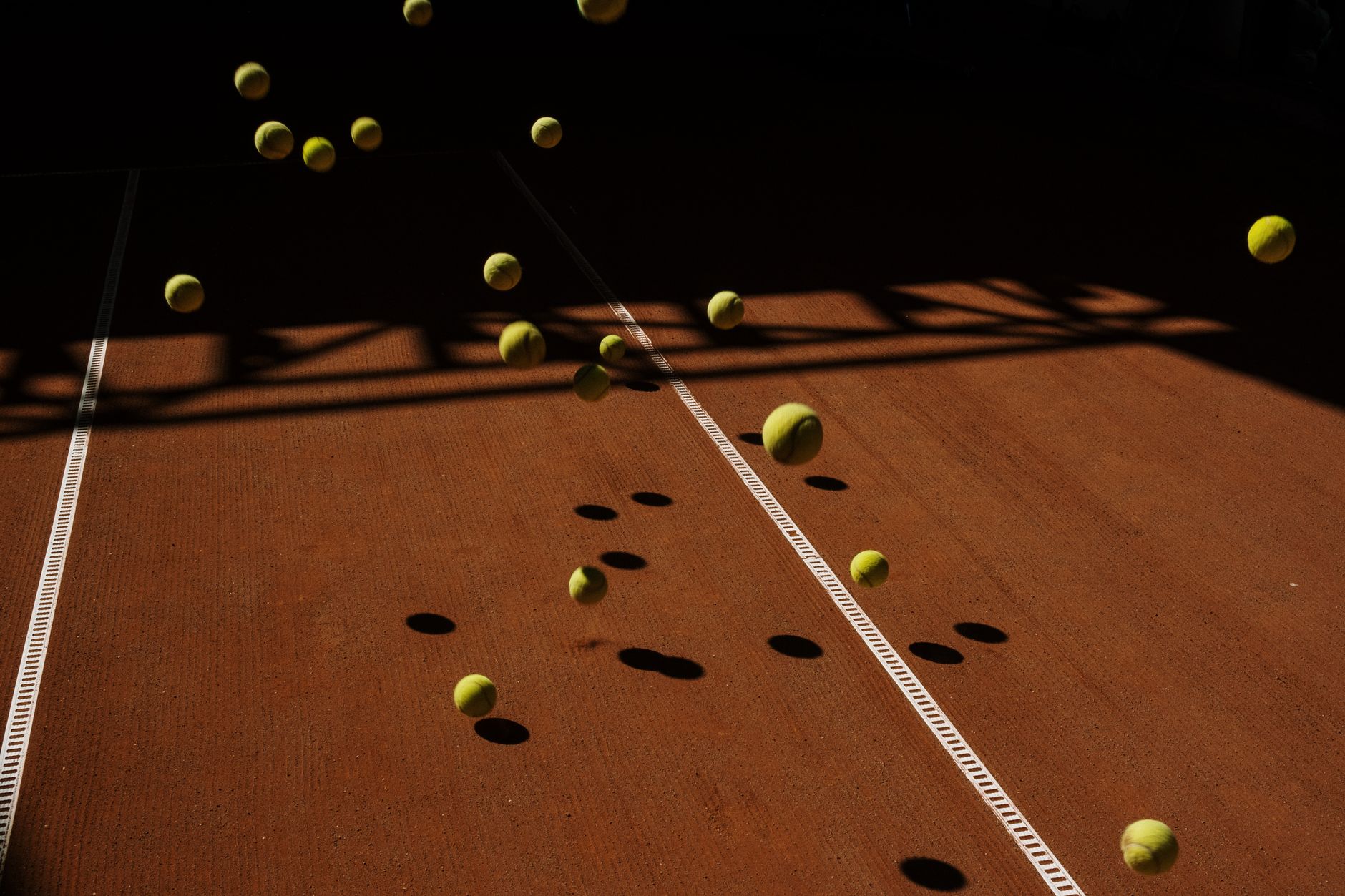
The French Open, known as Roland Garros, has been played on clay courts since 1891. This tournament has a rich history and a distinctive character. Clay slows down the ball and forces players to show patience and stamina, as rallies tend to be longer and tactics require precision and caution. Roland Garros is known for the emotional depth of its matches, where the battle is not only for points but also for physical and psychological superiority. The atmosphere is steeped in tradition, and spectators appreciate the skill and resilience of the athletes.
Wimbledon
The oldest tournament, Wimbledon, has been held in London since 1877. Its hallmark is the grass surface, which affects the speed of play and ball bounce. Grass courts make the game fast and aggressive, demanding quick reflexes and net skills from players. Wimbledon is famous for its atmosphere: strict dress code, traditions, well-maintained courts, and special respect for tennis history create a sense of celebration and grandeur. Here, not only results but also style and conduct on court are valued.
US Open
The US Open, held in Flushing Meadows, New York, features a dynamic and modern big-city atmosphere. The surface is hard court but faster-paced compared to Australia. Matches here are intense, and the crowd’s energy adds excitement and drive. The US Open blends tradition with innovation, making every match a potential show.
—
Differences in Surfaces and Their Impact on Playing Style
Surface is a key feature of each Grand Slam, shaping tactics and style.
- Grass (Wimbledon) — the fastest court type with low ball bounce. It encourages an aggressive style: players often approach the net and use short, sharp shots. Fast play demands instant reaction and precision. Grass courts are rare, and preparation for them is specialized.
- Clay (Roland Garros) — slows the ball, leading to longer rallies. Players must be patient and enduring, relying heavily on tactical knowledge and physical condition. Clay requires the ability to change pace and use spin to control the game.
- Hard Court (Australian Open, US Open) — a versatile surface balancing speed and bounce. It supports both fast and long rallies. On hard courts, serving and returning technique and endurance are crucial. Different types of hard courts influence style: Australia’s is slightly slower, while the US Open’s is faster and more dynamic.
Player performance often reflects surface preferences: some excel on grass, others on clay, and some adapt well across all.
—
Why Grand Slam Matches Are Longer and More Emotional
Grand Slam matches use a longer format: men play best-of-five sets, women best-of-three. This increases physical and psychological demands on players. The length and intensity create unique conditions for competition, where every mistake is a learning moment and every victory a testament to perseverance.
History holds many dramatic finals where tension peaked and players demonstrated not only skill but also character strength. For viewers, this is a chance to feel genuine emotions, witness great matches, and experience moments that stay in memory.
—
The Importance of Grand Slams for Players and Fans
For players, winning a Grand Slam is recognition of the highest level and a step toward legendary status. Grand Slams shape careers, opening doors to new opportunities and prestige.
For fans, it’s more than sport — it’s a living connection with tennis history and traditions. The atmosphere, emotions, and unique style of each tournament create a special impression that people want to relive again and again.
—
Practical Tips for Spectators and Tennis Enthusiasts
- Choosing a tournament to attend should consider your preferences: if you want dynamics — US Open; patience and tactics — Roland Garros; tradition and atmosphere — Wimbledon; versatility and energy — Australian Open.
- Preparing to watch helps better understand the game. Pay attention to the surface and players’ styles to follow matches more calmly.
- Engaging with the atmosphere is key to getting the most from the tournament. Even remotely, you can feel the Grand Slam spirit by observing the emotions and stories unfolding.
—
Common Misunderstandings About the Grand Slam
1. Thinking Grand Slams are only about points and prizes — this oversimplifies and overlooks the tournaments’ depth.
2. Ignoring the importance of surfaces and their influence on playing style.
3. Judging matches only by score without noticing emotional aspects.
4. Expecting the same style of play at all tournaments — each is unique.
5. Overestimating the ease of participation and quick success — the path to a Grand Slam requires time and effort.
—
Key Takeaways
- The Grand Slam consists of four unique tournaments with rich history and different surfaces.
- Surface differences shape players’ styles and tactics.
- The longer match format creates emotional depth and demands endurance.
- Atmosphere and traditions make each tournament distinctive.
- Understanding these features helps appreciate tennis as both sport and art.
—
Soft Call to Action
If you want to experience the true spirit of tennis, feel the Grand Slam atmosphere, and find the playing style that suits you, visit TS WINNER in Budva, near Slovenska plaza and hotel Aleksandar. Here, we don’t just train — we help you understand tennis legends and their unique features.
And if you want to calmly explore the nuances of the game and tournaments, ask questions to our assistant @TSWinnerbot — we’re always happy to help!
—
The Grand Slam is not just competition but living history, where everyone can find their path and inspiration. You can start your calm journey into tennis and the world of Grand Slams with us.
Book a training session
Choose how you’d like to contact us — we’ll reply and find a time.