
How the ATP and WTA Seasons Are Structured: Understanding the Professional Tennis Calendar
Professional tennis is not a random collection of tournaments but a carefully planned season structure that considers surface changes, geography, and player preparation. Understanding this logic helps parents, beginners, and fans see the calendar not just as dates but as a living process where each part of the season has its significance for players and spectators.
—
Introduction
The ATP and WTA calendars cover almost the entire year, leaving top players only a short break. To navigate this busy schedule, it is important to know how the season is divided into periods, why tournaments take place in different countries and on various surfaces, and how this affects players’ form. This perspective helps not only to follow professional tennis better but also to appreciate it more deeply.
—
1. Main Periods of the ATP and WTA Season
The professional season is divided into several logical stages, each with its own characteristics.
1.1. Winter Start (January – February)
The season opens on hard courts, considered neutral and fast surfaces. This period prepares players for the first major tournament of the year — the Australian Open. Players start the season “softly” to get into playing shape after the break, gradually building rhythm. For many, this stage is important to tune technique and tactics for the season.
1.2. Spring Season: Clay and Preparation for Roland Garros
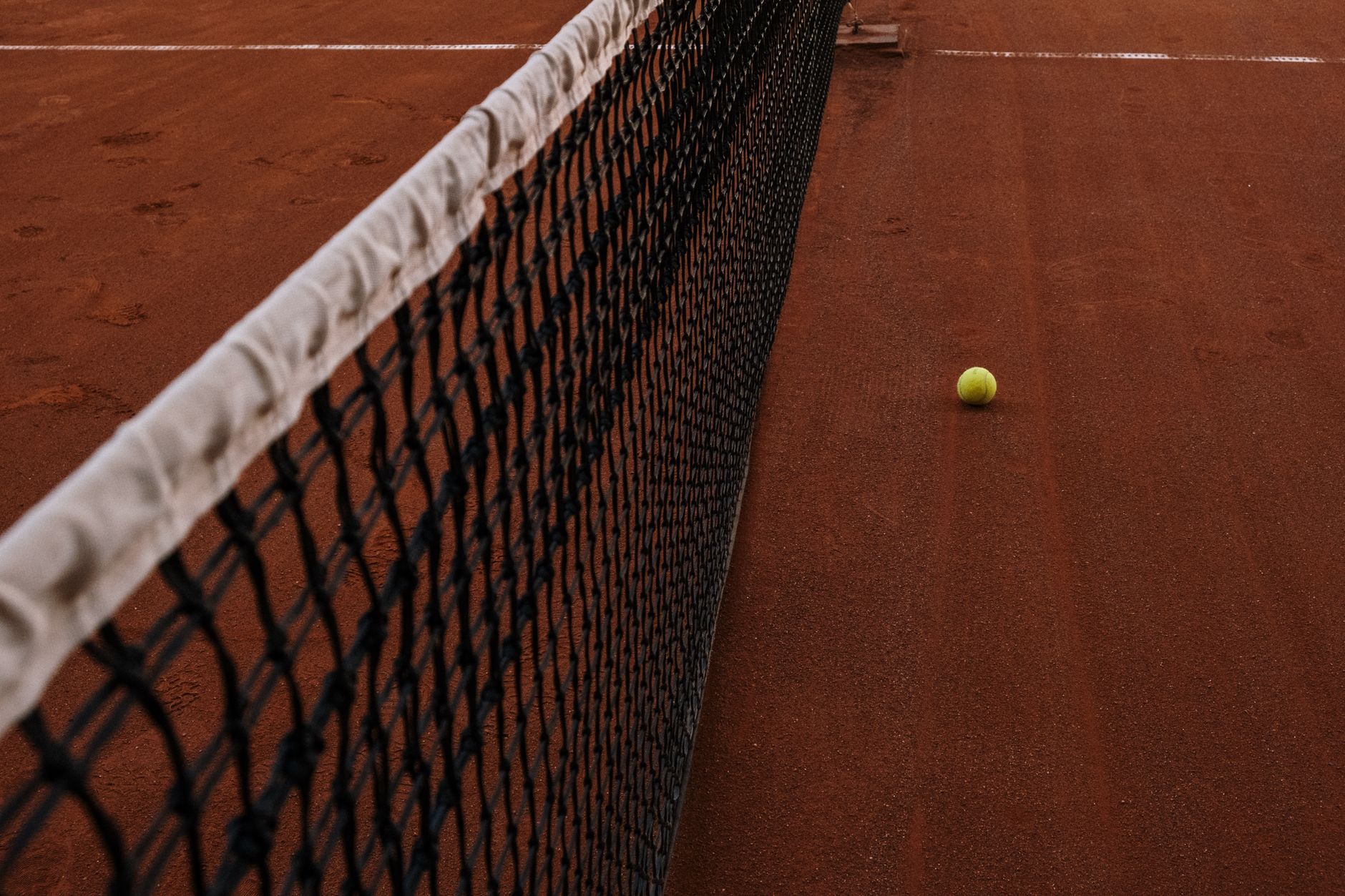
With the switch to clay, the game changes — the ball slows down, and shots require more patience and precision. This period lasts several weeks and serves as preparation for one of the most significant tournaments — Roland Garros. Transitioning to clay demands adaptation in movement and tactics, making the surface change both a challenge and an opportunity to improve skills.
1.3. Summer Period: Grass Season and Wimbledon
Grass is the fastest and most unpredictable surface. The grass season is short but intense. Wimbledon is the main tournament of this period, setting the tone for the entire summer season. Players strive to adapt quickly to grass’s characteristics, where reaction speed and the ability to use short shots are decisive.
1.4. Autumn: Hard Court Season and Year-End Championships
After grass, a series of hard court tournaments begins, including the Masters series. This stage prepares players for the season-ending ATP Finals and WTA Finals. Autumn is a time of intense competition but also planning rest: athletes start considering recovery after a long season.
—
2. Geography and Surfaces of Tournaments: Why Locations Change
Tournaments take place in different countries and on various surfaces for good reasons. Climate conditions and traditions influence location choices. For example, winter competitions are organized in warmer regions to ensure comfortable playing conditions. Rotation of countries and surfaces creates variety and requires players to constantly adapt.
Surface affects playing style: clay slows the ball and demands endurance, hard courts are versatile, and grass emphasizes speed and precision. This forces players to change tactics and physical preparation throughout the season.
Major tournament centers, often located in tourist and industrial cities, provide infrastructure for events and attract spectators worldwide.
—
3. Impact of the Calendar on Player Preparation and Form
Professional tennis players build their season considering surface changes and tournament load. Planning training and periodization are key. Between tournaments, recovery is crucial to maintain form and be ready for new challenges.
Preparation for clay, grass, and hard court seasons includes special exercises and tactical adjustments. Players and coaches select training and rest formats based on the athlete’s condition to avoid overtraining and injuries.
—
4. Differences and Similarities Between ATP and WTA Seasons
Although ATP and WTA calendars are similar in structure, there are differences in the number of tournaments, regional distribution, and ranking systems. Year-end championships also have their own format and participant selection.
Common challenges for players on both tours include a dense schedule, adapting to different surfaces, and maintaining physical and mental form throughout the season.
—
5. How to Better Understand and Enjoy Professional Tennis
For spectators and fans, it is important to know that playing style and tactics change during different periods of the season. Following major tournaments in each stage helps to see how players adapt to conditions.
Local schools and clubs, such as TS WINNER in Budva (Slovenska plaza, near hotel Aleksandar), help not only to learn how to play but also to better understand the features of professional tennis. Interaction with coaches and other enthusiasts creates a lively connection with the game and supports interest in tournaments.
—
Common Mistakes in Understanding the Tennis Season
- Considering the season as a simple set of dates without accounting for surface changes and geography
- Ignoring the impact of a dense calendar on players’ physical and mental form
- Underestimating the importance of preparation during the clay season before Roland Garros
- Confusing the structure and features of ATP and WTA
- Expecting the same playing style at all tournaments without considering surface and time of year
—
Key Takeaways
- The ATP and WTA seasons are systems where each period is important for preparation and tactical changes
- Tournaments take place in different countries and on various surfaces, requiring player adaptation
- Athlete form depends on load planning and recovery
- ATP and WTA share features but have their own calendar and tournament format specifics
- Understanding the calendar helps to better enjoy tennis and follow the game
—
Practical Tips
- Follow main tournaments in each period to observe style changes
- Pay attention to the surface — it’s key to understanding the game
- Use breaks between major tournaments for learning and training
- Visit TS WINNER to learn to see tennis from the inside and understand what lies behind each match
- Communicate with coaches and other enthusiasts to share impressions
—
Conclusion and Invitation
The ATP and WTA seasons are dynamic, well-thought-out systems reflecting unique challenges for players and opportunities for spectators. If you want to understand professional tennis more deeply, learn to appreciate each stage, and enjoy the game, we invite you to TS WINNER in Budva (Slovenska plaza, near hotel Aleksandar). Here you can calmly try different formats, get direct contact with coaches, and choose a realistic next step in your tennis journey.
—
Be with tennis “from the inside” — this will help you and your children not only to learn but also to enjoy every minute of the game.
Book a training session
Choose how you’d like to contact us — we’ll reply and find a time.