
Tennis for Kids Aged 5–7: Play, Movement, and Discipline Without Pressure
At the age of 5 to 7, tennis is primarily about play and developing coordination, attention, and movement skills rather than achieving sports results. It is important to start gently, choose a format suited to the child, and allow them to calmly explore this new activity without unnecessary pressure.
Why This Age Is Special
Parents often worry if it’s too early for sports activities. It’s important to understand that at this age the main goal is to help the child love movement, learn basic skills, and maintain interest. Mistakes and failures are part of learning and should not frighten either the child or the adult. Tennis here is a tool for development, not an exam.
What the Coach Focuses On
The coach looks at the child as a whole: how they move, how they react to the ball, and how well they maintain attention and calmness. It’s important not to rush technical details of strokes but to start with simple movements and playful tasks that help develop rhythm, balance, and ball feel. Short tasks with frequent changes in activity help keep interest and work on coordination.
How a Training Session for Little Ones Goes
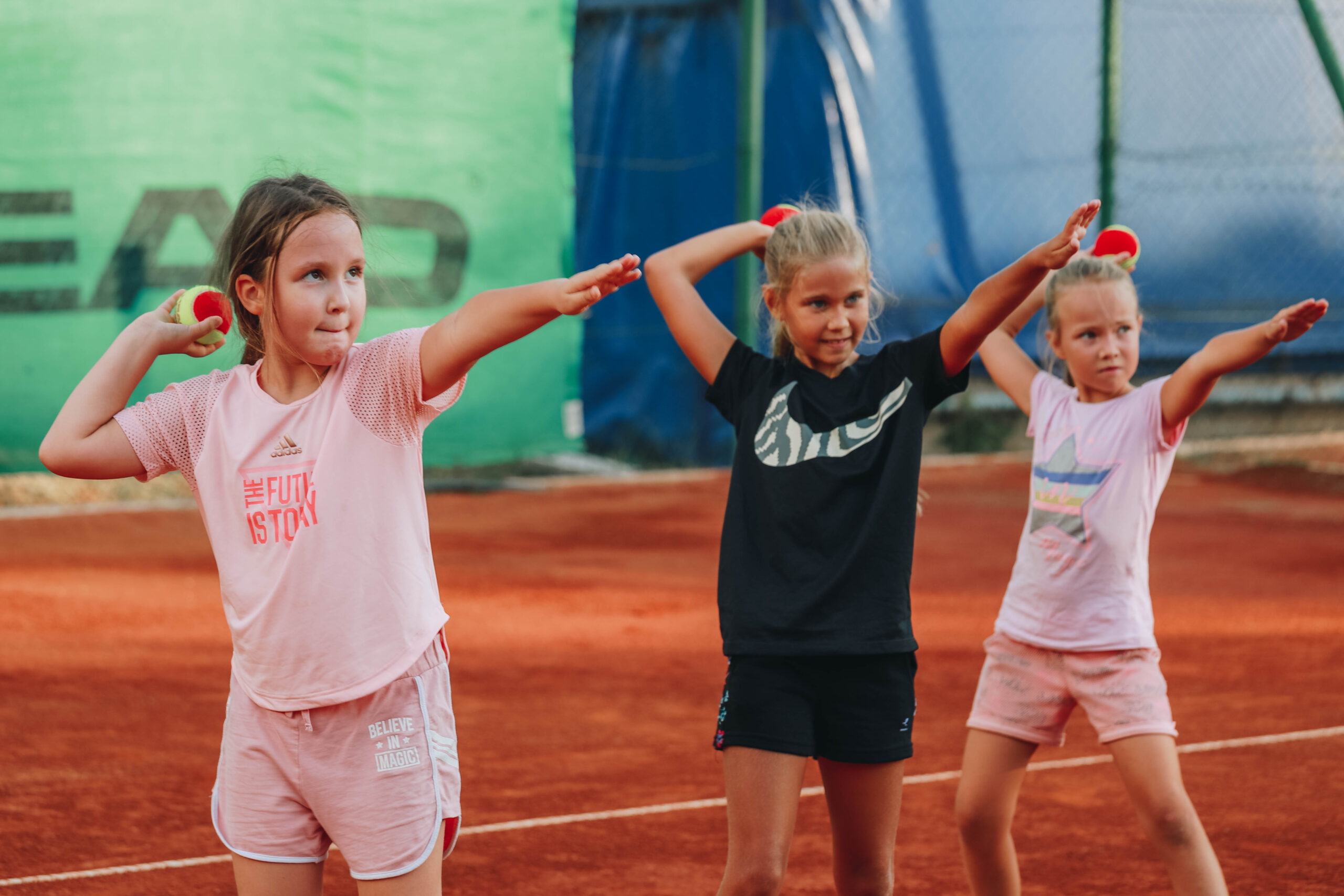
The session is structured as a game. Warm-up consists of fun exercises with the ball and movement that don’t require complicated rules. Then come simple game tasks: hitting the ball to a certain spot, chasing the ball, or completing a short “striped” route. It’s important that tasks are short and varied — this helps the child focus better and avoid fatigue. Feedback from the coach is gentle and without pressure; mistakes are seen as learning material.
Common Mistakes in Teaching Kids 5–7 Years Old
- Introducing competitions or strict performance demands too early. This can scare the child and reduce interest in the game.
- Pressuring the child with expectations, demanding concentration and results “here and now.” At this age, the process is more important than the result.
- Ignoring changes in activity and the child’s fatigue, which leads to loss of motivation.
Mistakes in this form are not a cause for alarm but a guide for adjusting the approach.
What You Can Do Now
- Observe the child as a whole: how they move, how they respond to simple tasks, and whether they enjoy the game.
- Choose a coach and format where lessons are based on playful exercises and short blocks.
- Avoid setting goals like “learn quickly” and give the child time and space to grow.
- For the first training, no exam-like preparation is needed — just comfortable clothes, water, and a calm mindset.
- Pay attention to the child’s overall impression after the session: did interest appear, do they want to continue?
How TS WINNER Supports This Approach
At TS WINNER, coaches in Budva work with children considering their age, development level, and individual characteristics. Sessions take place in comfortable conditions at Slovenska plaza and near hotel Aleksandar. Here, the format is tailored to the individual, creating lively contact and a trusting atmosphere. This approach helps the child start training calmly, without pressure, and with joy.
Key Takeaways
- Tennis for kids aged 5–7 is about play and development, not competition.
- Focus on coordination, attention, and basic movements through playful exercises.
- Short tasks with frequent activity changes help maintain interest.
- Discipline is necessary but without harsh pressure.
- It’s best to choose the training format after direct communication with the coach to find a realistic and comfortable next step.
If you have questions about how to choose the right training format for your child, you can always calmly ask the coach — live contact with a professional will help make the right choice without unnecessary worries.
For more information, contact @TSWinnerbot.
Book a training session
Choose how you’d like to contact us — we’ll reply and find a time.