
How Court Surfaces Shape Play in Grand Slam Tournaments
In tennis, the court surface is more than just a backdrop for the game. It determines ball speed, bounce height, player style, and even psychological mindset. The Grand Slam tournaments—Roland Garros, Wimbledon, US Open, and Australian Open—feature three classic surface types: clay, grass, and hard court. Understanding their characteristics helps tailor training formats, avoid frustration, and make realistic, comfortable progress in your game.
—
Introduction
Every tennis player, whether a beginner, amateur, or parent of a young player, benefits from gradually familiarizing themselves with court surfaces and their impact on play. This is not just a technical detail—it’s a holistic view of how the physical properties of the court influence the match flow and require different preparation. Understanding how Grand Slam surfaces change the game—and choosing clay training that fits you—is an important task for anyone who wants to develop without pressure and stay close to their coach.
—
Characteristics of Grand Slam Court Surfaces
#### Clay Courts (Roland Garros)
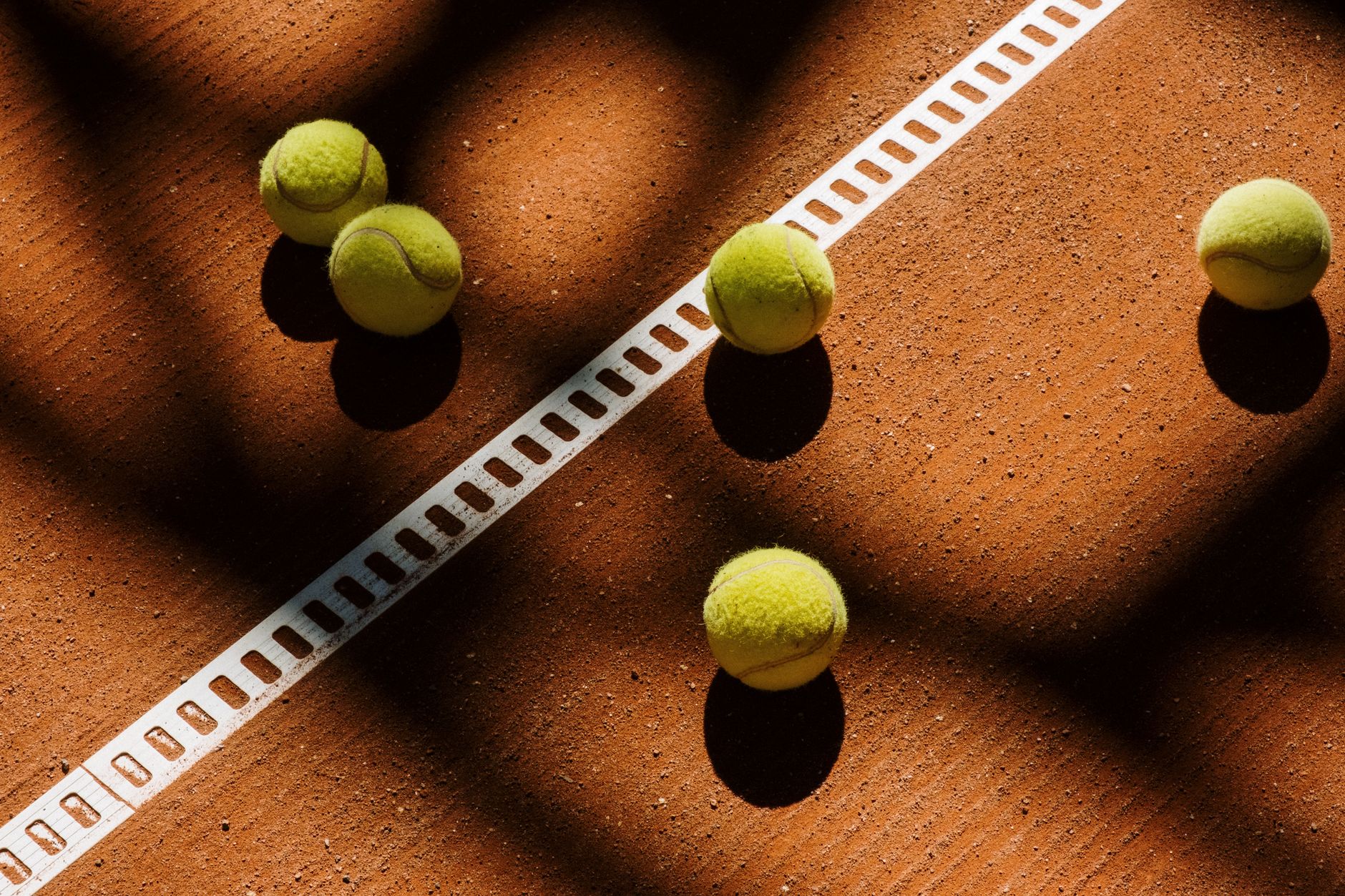
Clay is a soft surface with a slow ball bounce that rises higher than on other types. This leads to longer rallies, demanding endurance and patience from players. Technique is important, but so is the ability to strategically control the pace. Players often slide on the surface—a unique feature that requires gradual adaptation.
#### Grass Courts (Wimbledon)
Grass is the fastest and most unpredictable surface. The ball bounces low and fast, favoring aggressive, attacking play. Success comes to those with strong serves and quick approaches to the net, finishing points with powerful shots. Training on grass demands quick reactions and readiness to adjust tactics based on ball behavior.
#### Hard Courts (US Open, Australian Open)
Hard courts offer a balanced surface with medium speed and consistent bounce height. This allows for various playing styles—from defensive to offensive—depending on individual preferences. On hard courts, it’s important to work on balancing technique, tactics, and physical conditioning while adapting to the even surface.
—
How Surface Affects Ball Speed and Playing Style
The physical properties of the court directly influence ball flight and bounce. On clay, the ball slows down, encouraging extended rallies and requiring patience. On grass, it speeds up and stays low, promoting active net play. Hard courts create conditions for balanced play, where precision and shot variety matter.
This affects not only technique but also the player’s mindset—adapting to surface traits means changing pace and style. Knowing these characteristics helps set realistic training goals and avoid disappointment.
—
Notable Players and Their Success on Different Surfaces
Rafael Nadal exemplifies a player who dominates clay with his style and endurance. His Roland Garros performance is a benchmark for using surface features to one’s advantage.
Roger Federer demonstrated versatility by winning on both Wimbledon’s grass and the US Open’s hard courts. His technique and tactics adapted to each surface, showing the importance of developing diverse skills.
Serena Williams is a model of adaptation, succeeding on all surfaces through continuous work on serve, movement, and tactics.
—
Why Beginners Should Understand Court Surfaces
For those starting out or playing recreationally, knowing surface characteristics helps choose training and tournaments that match physical abilities and style. Movement and load differ between clay, grass, and hard courts. Without this understanding, mistakes can lead to injury or frustration.
Understanding surfaces is not a test but an opportunity to calmly explore and find the right approach for you or your child.
—
Practical Advice for Parents and Amateurs
- Start with the surface that fits your goals and physical capacity. For example, clay develops endurance, while hard courts build balanced skills.
- Consider surface traits when planning training to avoid overload and speed adaptation.
- Work on serve and movement techniques specific to the surface—quick reactions and short steps on grass; sliding and longer rallies on clay.
- Learn to adjust tactics according to the court to prevent common mistakes and boost confidence.
—
Common Mistakes on Different Surfaces
1. Ignoring bounce and ball speed differences—many beginners try to play the same way on all surfaces, reducing effectiveness.
2. Setting identical goals without adaptation—leading to fatigue and loss of motivation.
3. Underestimating physical demands and movement changes—especially important for children and novices.
4. Neglecting universal skills training—limiting ability to play on various courts.
5. Switching surfaces hastily without preparation—surface changes require time and attention.
—
Key Takeaways
- Clay: slow, high bounce, demands patience and endurance.
- Grass: fast, low bounce, suits aggressive, active play.
- Hard court: balanced speed and bounce, fits diverse styles.
- Knowing surfaces helps tailor training and avoid common errors.
- Adapting to surface is key to confident, comfortable play.
—
Conclusion
Understanding how court surfaces affect play is a fundamental step in every tennis player’s development. It helps adapt playing style, make realistic and safe progress, and improve training productivity. At TS WINNER in Budva, we offer an individualized approach on clay courts—matched to your level and goals. Training takes place at Slovenska plaza and Hotel Aleksandar, where we work on technique, tactics, and movement specifically on clay. Take your time to explore, observe yourself or your child as a whole, and choose your tennis path with us.
—
Ready to learn more about court surfaces and find suitable training? Contact us through @TSWinnerbot for guidance—helping you take the next step without pressure and with live coach support.
Book a training session
Choose how you’d like to contact us — we’ll reply and find a time.