
The First Month at Tennis School: What Parents and Children Can Expect
The first few weeks at tennis school are a time to get used to the court, the coach, the ball, the rules, and the rhythm of training. During this period, technique is less important than creating a comfortable foundation for further development and the desire to continue. There is no place here for sudden leaps in skill or exams — it is an opportunity to calmly try, find one’s place, and begin learning.
Why This Stage Is Important
Parents often worry about choosing the right school or format, wonder how their child will feel in the group, and don’t know what to realistically expect from the first month. For the child, it is a new world: unfamiliar surroundings, rules, coach, and peers. Understanding these features helps reduce unnecessary tension and prepares everyone for a natural adaptation process.
What the Coach Observes and Considers
In the first sessions, the coach does not focus on perfect strokes but on how the child or adult perceives tasks, moves, interacts with the ball and the group. Attention is given to developing a sense of rhythm, coordination, and basic discipline: the ability to listen, try, and calmly accept mistakes. A mistake here is not a reason for reproach but material for learning.
It is important to select a format that suits the individual — considering age, character, and skill level. Rushing into technical details can disrupt motivation and slow progress.
What Training Looks Like in the First Weeks
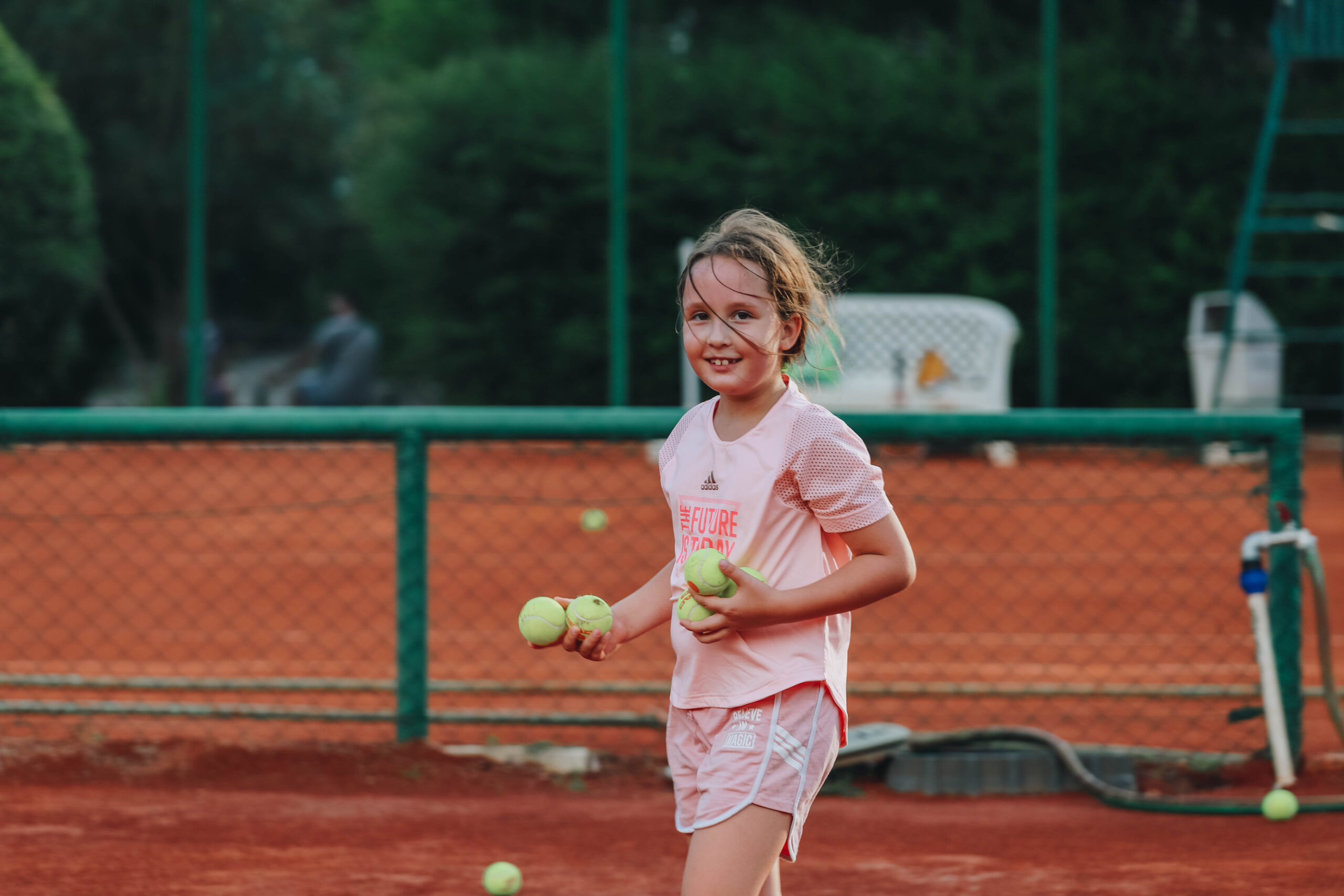
Sessions start with simple game-like exercises: warm-ups, movement drills, and light ball interactions. The coach offers short series of tasks with breaks so the child does not get tired and can focus. In groups, children learn to communicate and play together, while adults receive explanations in clear language.
Feedback is gentle, without pressure or exams. The child learns to recognize their successes and understand that mistakes are a natural part of the process.
Common Mistakes by Parents and Students
- Expecting stable technique or rapid mastery of strokes in the first month.
- Treating lessons as exams or competitions.
- Comparing the child’s progress speed with others.
- Neglecting the importance of live contact with the coach and emotional support.
Mistakes are guides to adjust the approach, not reasons for disappointment.
How Parents Can Help
Parents should do more than just bring the child to the court; they should be involved: show interest in what the child has learned, provide emotional support, and avoid demanding instant results. A calm attitude and positive encouragement create an atmosphere of trust and eagerness to learn.
Before the first training, it is enough to choose comfortable clothes and shoes, bring water, and prepare for a pleasant introduction to tennis — without worries or pressure.
How TS WINNER Supports You
At TS WINNER, coaching is focused on the individual, not templates. The school considers the age, temperament, and goals of each student. Sessions take place in the comfortable surroundings of Budva — Slovenska plaza, near hotel Aleksandar — where one can gently and gradually enter the rhythm. You can register and get details via @TSWinnerbot.
Important to Remember
- The first month is about adapting to the court, group, coach, and training rhythm.
- Simple game exercises and building basic discipline are key.
- Progress is not only technique but also interest, confidence, and readiness to learn.
- Parents’ role is to support, not pressure.
- Do not expect miracles in the first month; better to take a real and calm first step.
Next Step
If you want your child or yourself to start tennis without unnecessary stress and with live contact with a coach, we invite you to the first training month at TS WINNER. Here, the right format will be selected and the first step on the tennis path will be supported.
Book a training session
Choose how you’d like to contact us — we’ll reply and find a time.